Chapter 6. Special correspondent: a homecoming, two books, a farewell
In 1983, after six years in Rome, I came home to Paris with the title of grand reporter, TF1's special correspondent. I went back to anchoring the late-night news, published two books in quick succession, and watched an era end from the inside: in 1987 the first channel was privatised, and I left it.
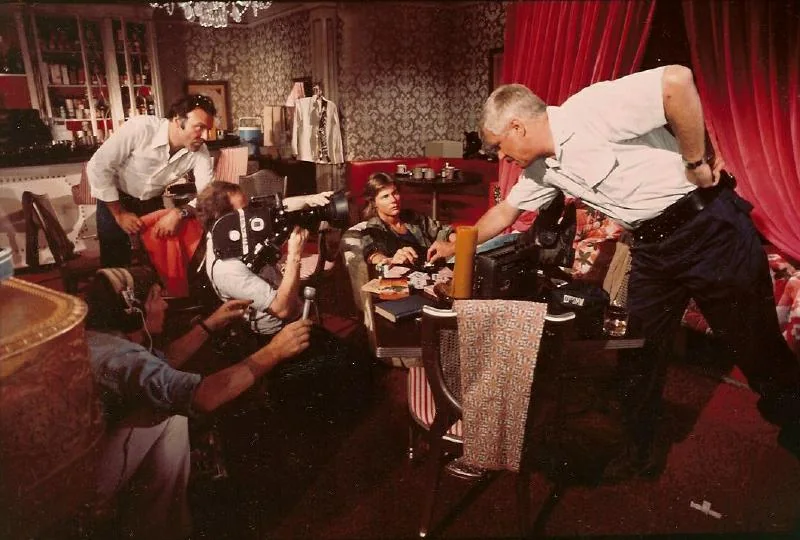
Rome is not a city you leave; it travels with you. In 1983, after six years spent telling French viewers about the Italy of the Red Brigades and the Vatican of three popes, I packed my bags and came home to Paris. TF1 gave me a title I knew well, having carried it from my very first days in television in 1969: grand reporter, the French term for a special correspondent. I would keep it until 1987.
Back with the night owls
The summer I returned, I also went back into the studio. On 24 July 1983 I anchored TF1's late-night bulletin: a collector kept the opening and closing minutes, which can still be watched online. For me it was an old appointment. In January 1975, when the channel was born, I was the one entrusted with IT1 Nuit, the round-up of the day for those who go to bed late. Between those two late-night bulletins lay Hollywood, two conclaves, the kidnapping of Aldo Moro and an assassination attempt in St Peter's Square.
The television I came back to still had only three channels, all of them public. Not for long: Canal+ arrived in 1984, La Cinq and TV6 in 1986. I had watched that upheaval at close quarters in Italy. In March 1981, remote control in hand in front of a television set, I had shown viewers of the eight o'clock news the twenty private channels already fighting over the Italian audience. France's turn was coming, and the first channel's sooner than anyone's.
A special correspondent is someone who leaves
The title means what it says. You are tied to no desk and no beat. You are sent. That had been my way of doing the job ever since Agence France-Presse, and television had let me do it long before this homecoming. I first tackled the United States for the screen in 1970, with Georges Pompidou's official visit, and later travelled the country from New Orleans to Las Vegas. In the summer of 1976 I brought home from Hollywood a series of reports for the evening news: Gene Kelly on a film set, Charlton Heston talking about his film on the Battle of Midway.
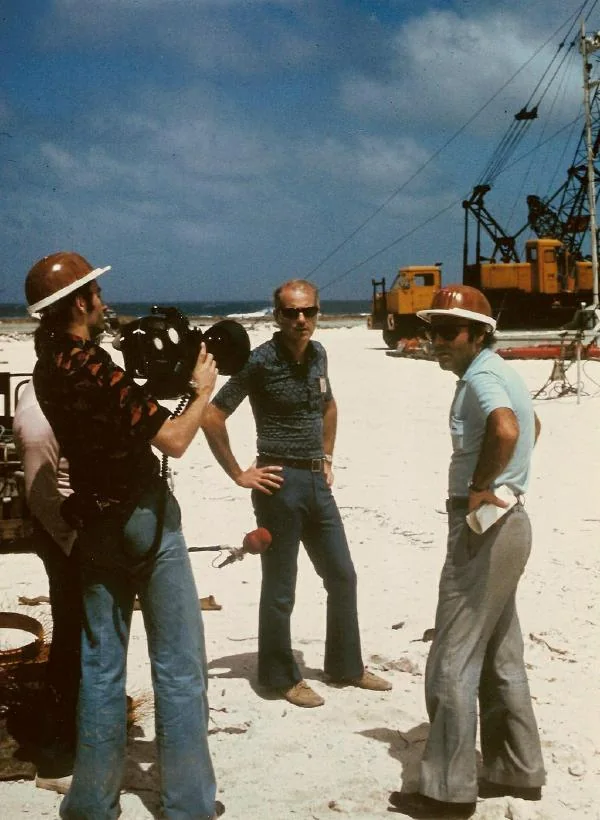
And there had been Polynesia. In 1973 I went out to shoot documentaries on the French nuclear tests at Mururoa and Fangataufa, when France was still testing in the atmosphere, to protests from the Pacific nations. I have not forgotten it: half a century on, those are the images I return to in my latest book, in the chapter on war.
Of my reporting between 1983 and 1987, few visible traces remain today. Not because it has vanished: TF1's archives for those years are held by the Institut national de l'audiovisuel, but its public website, where I am concerned, goes little further than 1981. The tapes are asleep in the vaults. I like to think that one day someone will go and wake them.
Thirteen who had won their wager
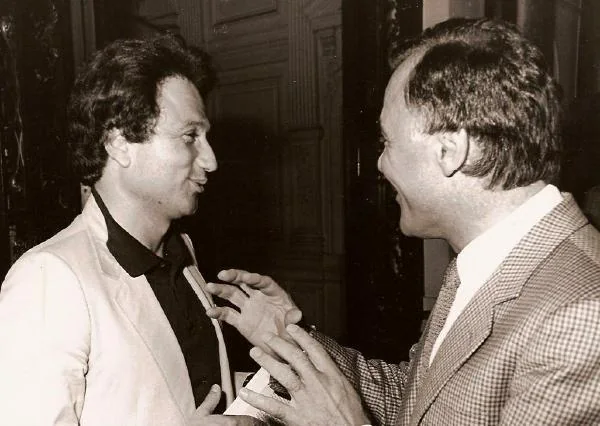
Books have always let me say what airtime leaves no room for. In 1984 France-Empire published "Ils ont réussi": thirteen long conversations, one question. How does one make a success of a life? I went to put it to Jean-Louis Barrault and Maurice Béjart for the stage, Paul Bocuse for the kitchen, Bernard Buffet and César for the studio, Guy des Cars for the popular novel, Michel Legrand for music, Édouard Leclerc and Paul Ricard for business, Professor Léon Schwartzenberg for medicine, Yves Saint-Martin for the racecourse, Madame Soleil, the astrologer all of France listened to, and Marguerite Yourcenar, the first woman elected to the Académie française.
I had been interviewing people for more than twenty years, on every kind of terrain, from a President of the Republic on tour in Lomé to the stars of Hollywood. But television grants you a few minutes. A book gives you the afternoon, and it is at the end of the afternoon that people finally say what matters: the work, the luck, the old wound where it all began.
Long live France, all the same
The following year, again with France-Empire, I reoffended with a spirited essay, "Vive la France quand même !". When you have watched your country from afar for six years, you come back to it with a mixture of exasperation and tenderness. Our quirks, our quarrels, our genius for complaining about a country the world envies: I wanted to say it plainly. I also asked the opinion of those whose job it is to observe us, the foreign correspondents based in Paris, among them my Italian colleagues from RAI. The Bibliothèque nationale filed the book under a heading I rather like: French national character.
1987: the first channel changes hands
While I was writing about the French, France was changing its television. In 1986 Parliament voted to privatise TF1. In the spring of 1987 the channel was awarded to Francis Bouygues's group. The first channel, the one that had for so long simply been French television, passed from public service to a construction giant.
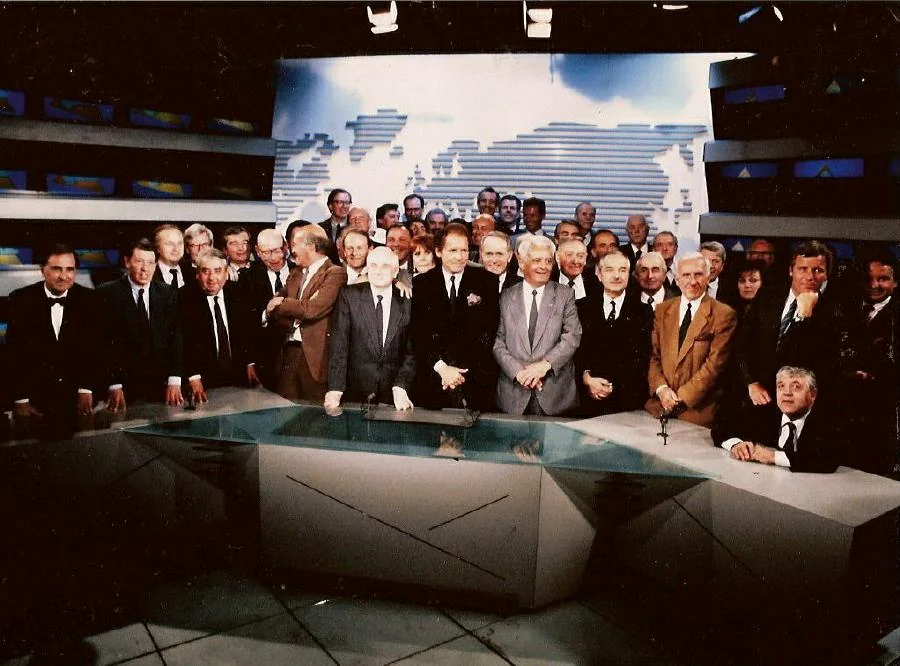
French law grants journalists an unusual freedom: when their outlet changes owner, they may walk away by invoking the clause de cession. Le Monde of 6 October 1987 did the sums: 70 journalists out of 264, a quarter of the newsroom, were leaving TF1. Eight in ten had more than fifteen years' service. It was the ORTF generation walking out of the door.
I was one of them: Le Monde lists my name among the leavers, alongside Roger Gicquel, Jean Lanzi and Michel Anfrol. I had come into television in the autumn of 1969, in Jacqueline Baudrier's team. I had known the second channel in colour, the first in black and white, the ORTF letters being taken down from the Maison de la Radio, the birth of TF1, the smoke above the Sistine Chapel. Eighteen years on air cannot be summed up in one line of a contract.
I did not put the camera down, though. A year later I founded my own production company. Having roamed the world for a news agency and then for a channel, I was going to work for myself. My seventh life was beginning.