Skip to content
Claude Brovelli
FR

My seven lives

From the Paris suburbs to Saigon, from the Biafran front to the news desk, from St Peter's Square to Hollywood: the story of a journalist's life, in seven chapters.

Why seven lives

When I wrote my memoirs in 2013, one title imposed itself: my seven lives. It was not an affectation. Looking back, I did not see a career but several successive existences, each with its own setting, its characters, its dangers and its joys.

There was the child of Italian immigrants on the banks of the Marne. The young wire reporter let loose in the Africa of independence. The war correspondent in Vietnam and then Biafra. The anchor the French tuned in to every evening. The adopted Roman, witness to three popes and the Years of Lead. The special correspondent. And finally the producer and author, free to say what he thinks.

I invite you to go through them in order, or out of order. Each can be read on its own. Together they also tell half a century of history, as seen by someone lucky enough to be there.
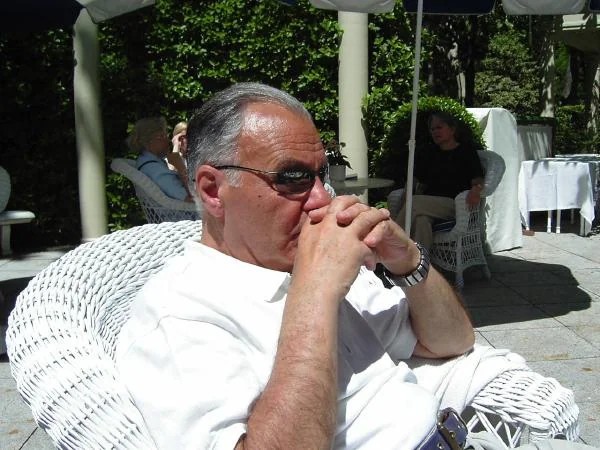
Claude Brovelli as a young man, identity photograph
→ 1962

NOGENT-SUR-MARNE, STOCKHOLM, PARIS

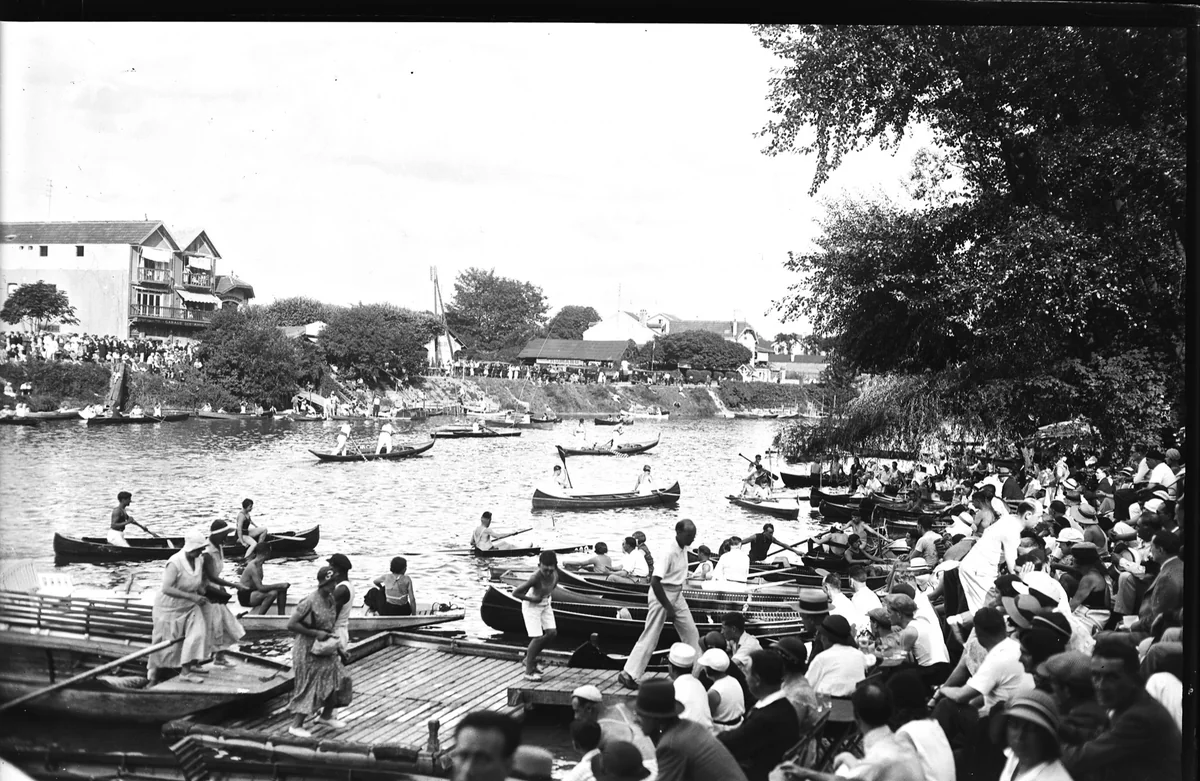
The boy from Nogent

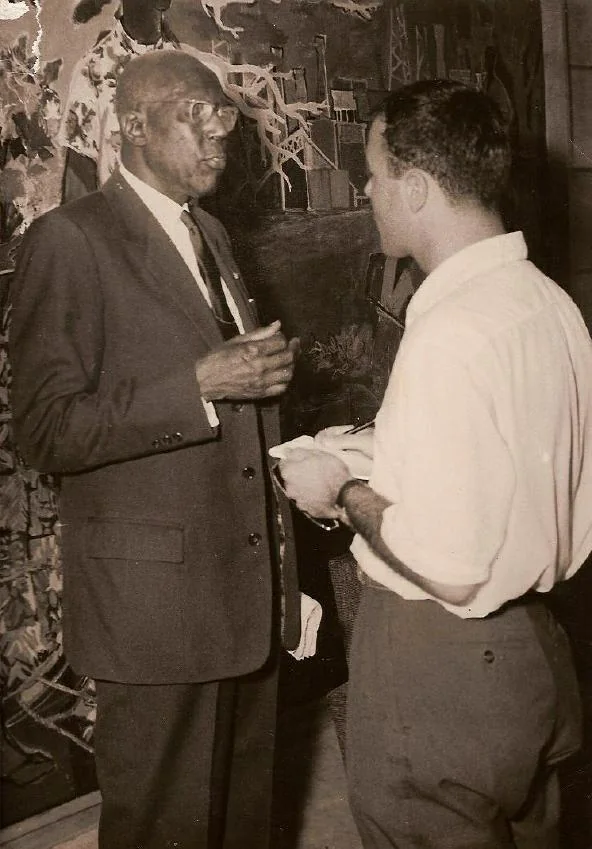
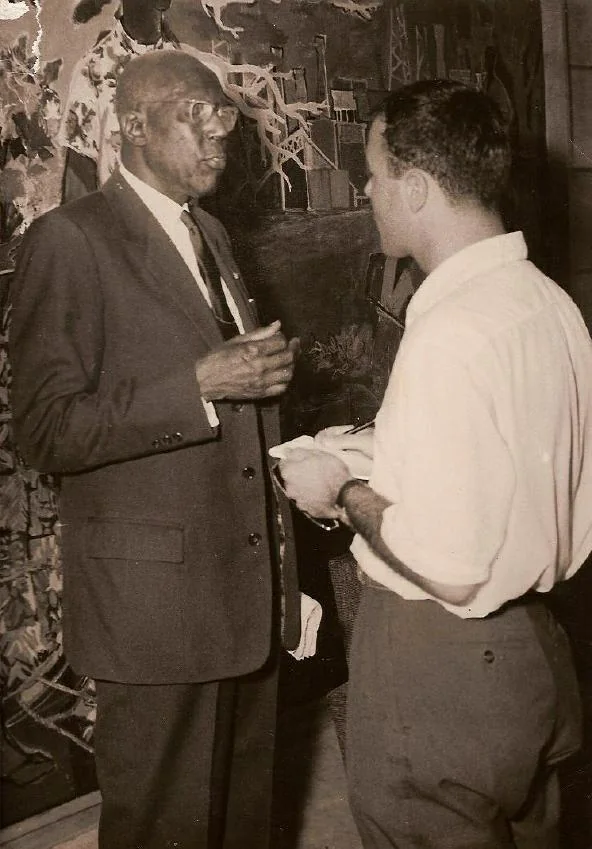
Claude Brovelli with Lamine Guèye in Dakar, his first interview
1962-1965

DAKAR, BAMAKO (AFP)

A wire reporter in newly independent Africa

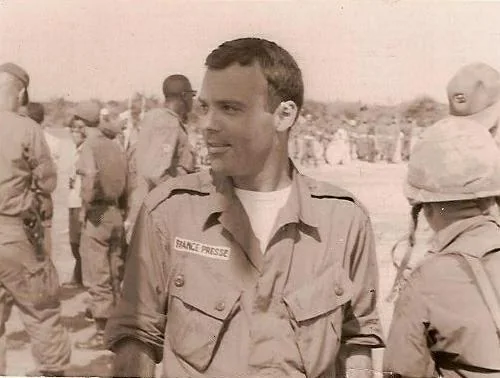
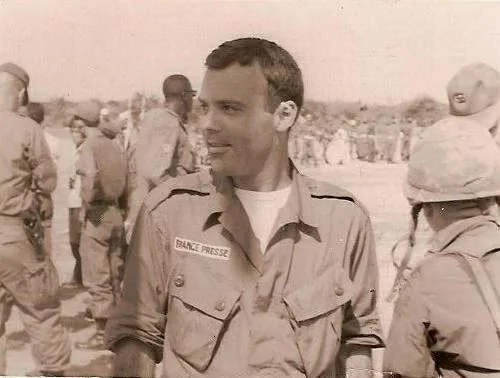
Claude Brovelli in France-Presse fatigues in Vietnam
1965-1969

SAIGON, PORT HARCOURT (AFP)

War correspondent, from Saigon to Biafra

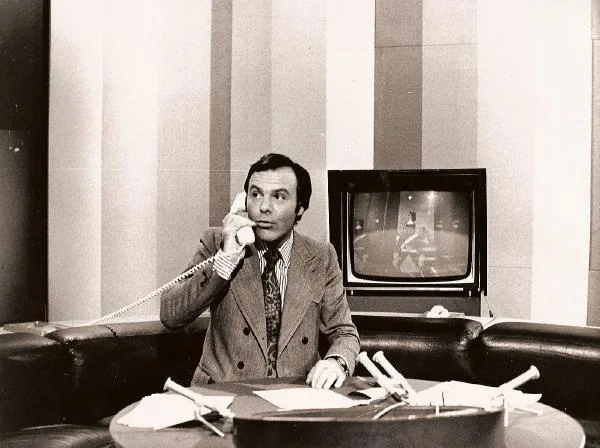
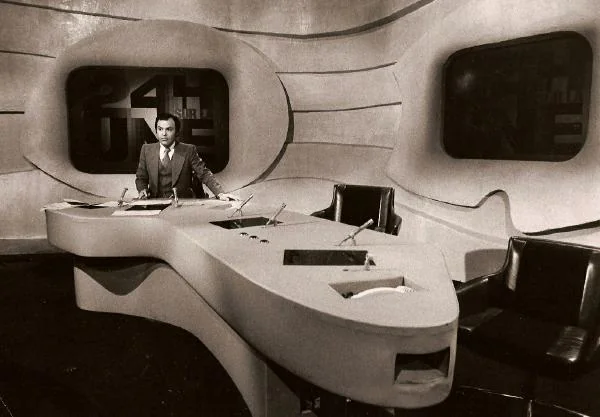
Claude Brovelli on the phone on the news set
1969-1977

PARIS, LOMÉ, HOLLYWOOD (ORTF, THEN TF1)

Every evening, in France's living rooms

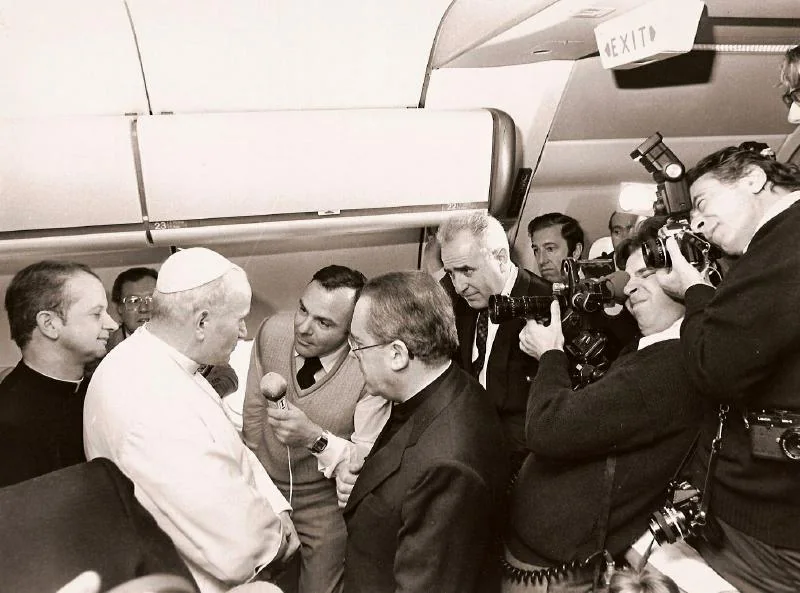
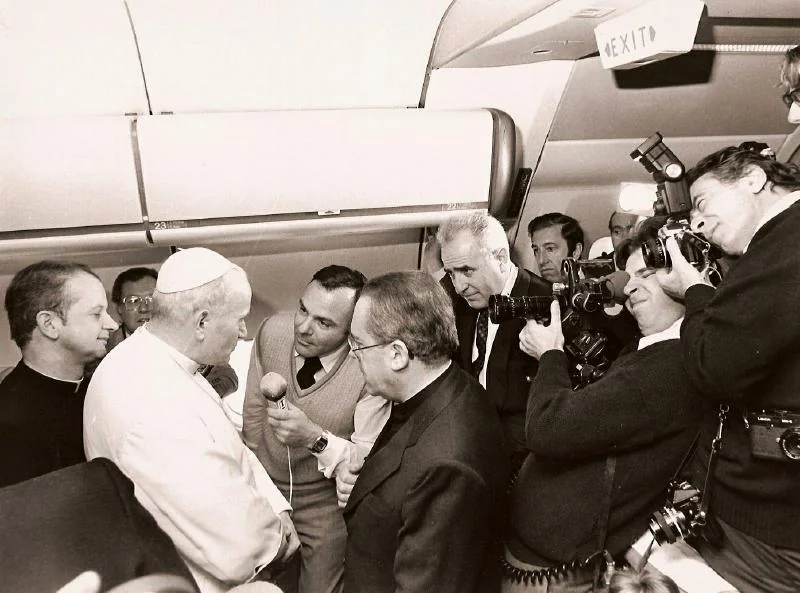
Claude Brovelli holding his microphone out to John Paul II aboard the papal plane
1977-1983

ROME, VATICAN CITY, BOLOGNA, VENICE (TF1)

Rome, three popes and the Years of Lead

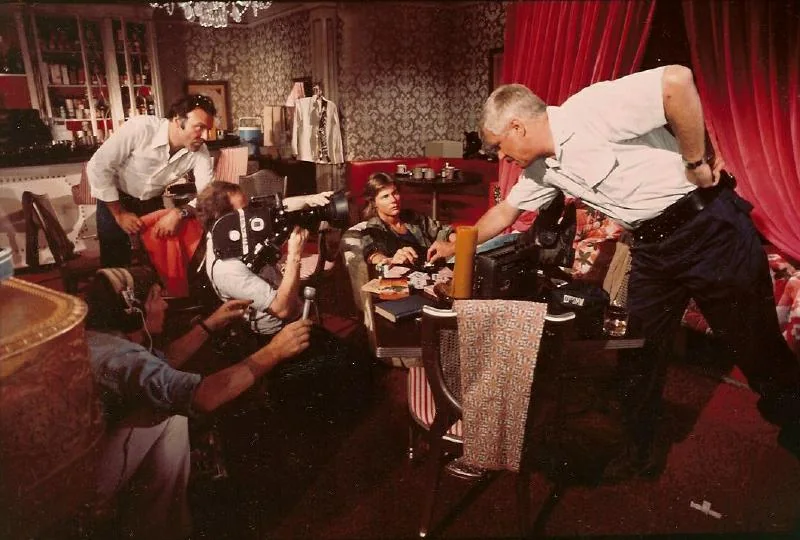
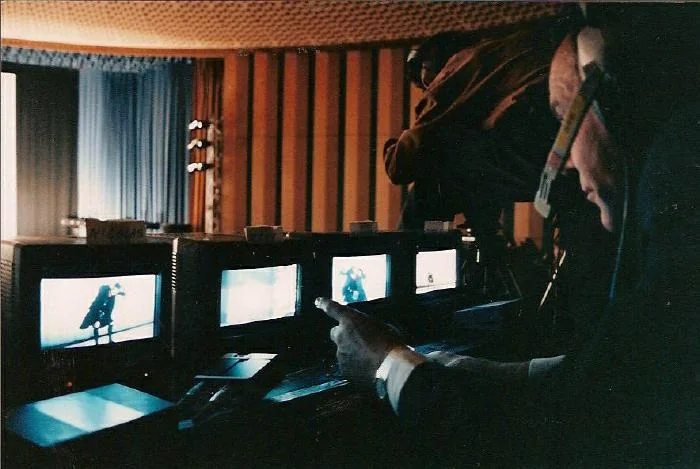
On a shoot in Hollywood, at Universal Studios
1983-1987

PARIS, BACK FROM ROME (TF1)

Special correspondent: a homecoming, two books, a farewell

Claude Brovelli, portrait
1988-2026

PARIS, ON THE OTHER SIDE OF THE CAMERA

Producer, author, free man

  1. 1. The boy from Nogent
  2. 2. A wire reporter in newly independent Africa
  3. 3. War correspondent, from Saigon to Biafra
  4. 4. Every evening, in France's living rooms
  5. 5. Rome, three popes and the Years of Lead
  6. 6. Special correspondent: a homecoming, two books, a farewell
  7. 7. Producer, author, free man

Where the job took me

From the Marne to the Mekong, from the Niger delta to the Tiber: the places where I set down my bag, in the order I came to know them.

  1. Nogent-sur-Marne

    France · Origines

    The banks of the Marne, the little Italy of eastern Paris. My parents had fled fascism. It was there that a fortune-teller predicted I would travel the world.

    Read this chapter
  2. Stockholm

    Sweden · Le déclic

    I fled the factory to join my sister in Sweden. Standing in front of the teleprinters in the AFP bureau, I knew what I would do with my life.

    Read this chapter
  3. Oran

    Algeria · 1959-1961

    Military service, and the April 1961 putsch lived with a transistor radio to my ear, alongside a lieutenant named Michel Duchaussoy.

    Read this chapter
  4. Paris, place de la Bourse

    France · 1961

    Agence France-Presse takes me on for a month. Its chairman, Jean Marin, gives me three to prove myself. I stayed eight years.

    Read this chapter
  5. Dakar

    Senegal · 1962

    I arrived by ship, being afraid of flying, for my first Agence France-Presse posting. My very first interview: Lamine Guèye.

    Read this chapter
  6. Bamako

    Mali · 1962-1965

    West Africa at the hour of independence: a dozen countries covered, one dispatch after another.

    Read this chapter
  7. Saigon

    Vietnam · 1965-1968

    Three years of war as AFP correspondent, while also filing for French television.

    Read this chapter
  8. Nsokpo, Port Harcourt, Aba

    Nigeria · Été 1968

    The Biafran front with the federal troops, and my interview with Colonel Adekunle, the "Black Scorpion".

    Read this chapter
  9. Paris, rue Cognacq-Jay

    France · 1969-1975

    The ORTF studios: "24 heures sur la Deux", then "24 heures sur la Une".

    Read this chapter
  10. Bucharest

    Romania · Juin 1970

    A filmed interview with Nicolae Ceausescu for French television.

    Read this chapter
  11. Lomé

    Togo · 24 nov. 1972

    Special correspondent on Georges Pompidou's African tour: an eight-minute interview with the French president.

    Read this chapter
  12. Hollywood

    United States · Été 1976

    A series of reports for TF1's evening news: Gene Kelly, Charlton Heston, Linda Blair.

    Read this chapter
  13. Rome, Vatican City

    Italy · 1977-1983

    TF1's permanent correspondent: the Moro affair, three popes in 1978, the shooting in St Peter's Square.

    Read this chapter
  14. Bologna

    Italy · Août 1980

    The railway station bombing, the deadliest attack of the Years of Lead.

    Read this chapter
  15. Paris

    France · 1983 à aujourd'hui

    Special correspondent at TF1, then producer, and finally author: time to tell the story.

    Read this chapter
  1. The boy from Nogent

    A fortune-teller in Nogent-sur-Marne had promised me a journey round the world, presidents, kings and popes. At the time there were seven of us living in two rooms, and I was about to leave school with nothing but a primary certificate. This is how the son of an Italian labourer came to join Agence France-Presse.

    Read this chapter
  2. A wire reporter in newly independent Africa

    In 1962 Agence France-Presse posted me to Dakar. Senegal and Mali had been independent for two years, and a whole continent was learning to govern itself. I was learning my trade, to the rhythm of the telex, across a dozen countries.

    Read this chapter
  3. War correspondent, from Saigon to Biafra

    Nearly three years in Saigon as America escalated its war, then the summer of 1968 on the Nigerian front with the federal troops, all the way to the headquarters of the "Black Scorpion". My dispatches ran in Paris, London and Rio. From that war I also brought back my first book.

    Read this chapter
  4. Every evening, in France's living rooms

    In the autumn of 1969, a war reporter nobody had ever seen became a familiar face. From the second channel, the only one in colour, to the birth of TF1, I read the news in the days when an entire country sat down in front of the same screen. Eight years of live television, presidential journeys and history in the making.

    Read this chapter
  5. Rome, three popes and the Years of Lead

    From 1977 to 1983 I was TF1's permanent correspondent in Rome. The son of Italian emigrants was returning to the country his father had fled, just as Italy was living through its Years of Lead and the Church was about to have three popes in seventy-one days. From the white smoke of 16 October 1978 to the gunshots of 13 May 1981, I told the French the story of those years.

    Read this chapter
  6. Special correspondent: a homecoming, two books, a farewell

    In 1983, after six years in Rome, I came home to Paris with the title of grand reporter, TF1's special correspondent. I went back to anchoring the late-night news, published two books in quick succession, and watched an era end from the inside: in 1987 the first channel was privatised, and I left it.

    Read this chapter
  7. Producer, author, free man

    In 1988 I crossed to the other side of the camera: editor-in-chief of an agency, then a producer in my own right. Corporate and prestige films followed, then the documentaries of La Cinquième, the conquest of the solar system and an online video magazine for the Paris Bar. Then I went back to my first weapon, writing: three books, and this website, to leave a trace.

    Read this chapter